Window installation consumer rights
When you buy and have windows fitted, the law gives you real protection — but only if you know how to use it. This guide explains your key consumer rights, from the written contract and cooling-off period to what you can insist on if the work is not up to standard.

The Consumer Rights Act in plain English
Under the Consumer Rights Act 2015, a service such as fitting windows must be carried out with reasonable care and skill, within a reasonable time, and for a reasonable price where one was not agreed in advance. The goods — your windows and doors — must be of satisfactory quality, fit for purpose and as described. If they fall short, you are entitled to have the problem put right. These rights sit on top of any guarantee the installer offers; they are not a replacement for it, and a company cannot sign them away in the small print.
Your right to a cooling-off period
If you agree to a contract in your home — for example after a salesperson’s visit — you generally have a 14-day cancellation period under the Consumer Contracts Regulations. This gives you the breathing space to change your mind, which is exactly why high-pressure sellers try to rush you past it. If you want work to begin within those 14 days you may be asked to agree to that in writing, but you should never be told the right does not exist. Anyone who denies it is displaying the behaviour we describe in avoiding rogue window traders.
Prefer a fitter who respects the rules?
We match you with installers who give proper contracts and cancellation rights. Compare quotes with no obligation.
Get my vetted quote →What a fair contract should contain
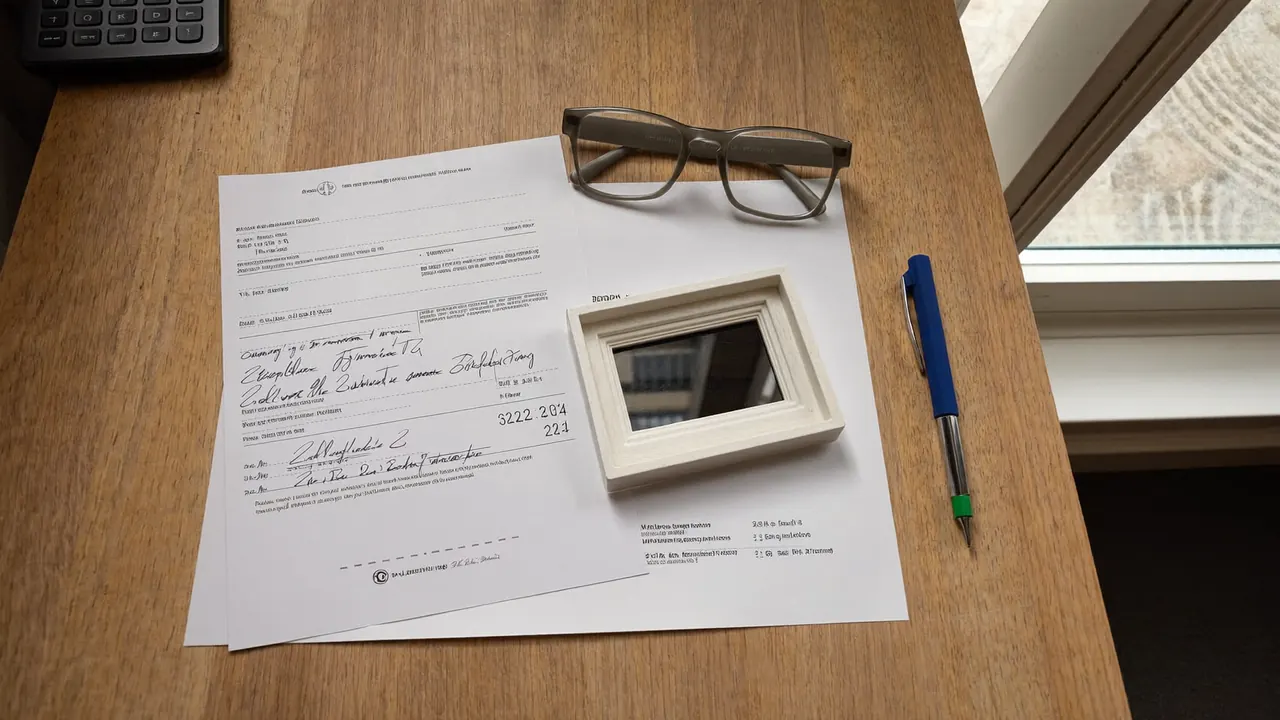
Everything you have been promised should appear in writing. Look for a clear description of the windows and glass specification, the total price and payment schedule, start and completion dates, the guarantee terms, and confirmation of FENSA or CERTASS registration. A vague one-line order form is not enough. For the complete list, work through our pre-contract checks before you sign, and make sure your payment terms line up with deposit protection.
- Full description and specification of the products.
- Total price, deposit and payment milestones.
- Start date, expected completion and who does the work.
- Guarantee terms and confirmation of scheme registration.
- Your cancellation rights, set out clearly.
If the work is not right
If a window is faulty or the installation is below standard, tell the company in writing and give them a fair chance to put it right — that is usually your first legal step. Keep a dated record and photographs. If paying by credit card, Section 75 may give you an additional route to recover your money. Should the dispute stall, Citizens Advice can guide you and refer matters to Trading Standards. Knowing you have these rights means you can be firm without being unfair, and a reputable firm will want to resolve issues quickly to protect its reputation.
Before you ever reach that point, prevention is far easier than cure. It is worth taking time to sense-check the costs first so a strangely cheap quote raises a flag, and to consider how long good windows last so you can hold a fitter to a realistic standard of durability.
Start on the right foot
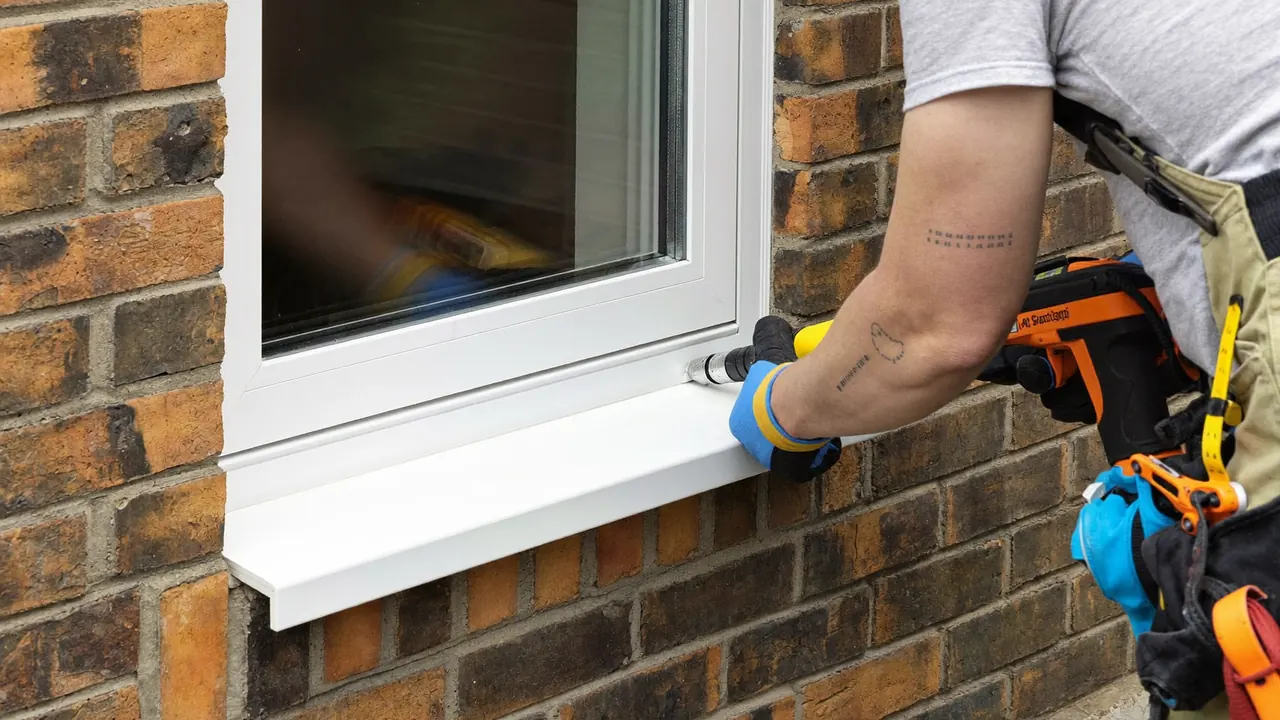
The surest way to avoid a rights dispute is to choose a reliable installer in the first place. When you are ready, we can help you find a trustworthy window installer who works to the standards the law expects.
Compare fitters who play it straight
Answer two quick questions and we’ll match you with a vetted, accredited installer in your area.
Get my vetted quote →