FENSA vs CERTASS: which accreditation matters?
If you are replacing windows or doors in England or Wales, your installer should belong to a competent-person scheme. The two you will hear most often are FENSA and CERTASS. Here is what each one does, how they differ, and why it makes a real difference to you as the homeowner.
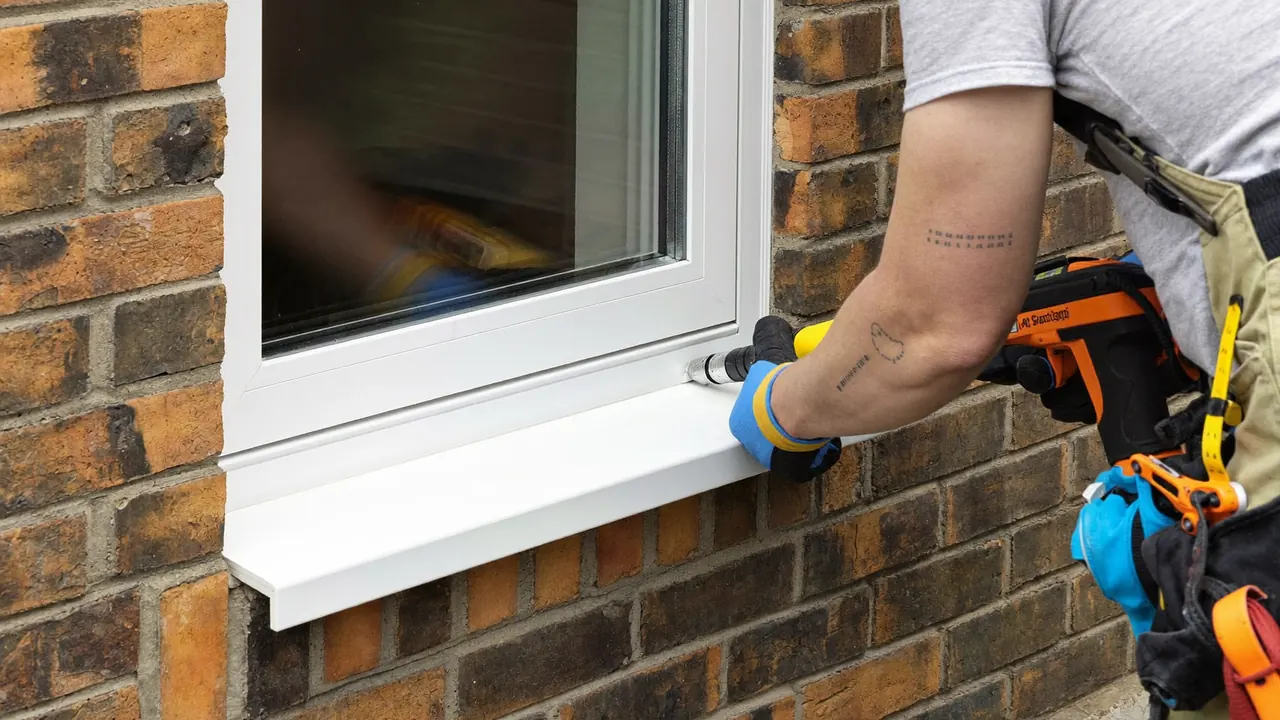
What a competent-person scheme actually does
Since 2002, replacement windows and doors in England and Wales have had to comply with building regulations — chiefly for thermal performance, ventilation, safety glazing and means of escape. Rather than book a council building-control inspection for every job, an installer registered with an approved competent-person scheme can self-certify that the work meets those standards. The scheme then notifies your local authority and issues a certificate confirming compliance. FENSA (the Fenestration Self-Assessment Scheme) and CERTASS are the two best-known operators of these schemes for glazing.
How FENSA and CERTASS compare
In practice both schemes deliver the same core outcome: a registered installer, self-certification against building regulations, and a compliance certificate lodged with your local authority. They differ mainly in their membership, the way audits are run and some of the extras bundled in.
| FENSA | CERTASS | |
|---|---|---|
| Purpose | Self-certification of replacement windows and doors to building regulations | Self-certification of replacement windows and doors to building regulations |
| Certificate issued | Yes — confirms building-regulation compliance | Yes — confirms building-regulation compliance |
| Local authority notified | Yes, on your behalf | Yes, on your behalf |
| Typical scope | Long-established; very widely recognised | Also covers a broader range of home-improvement trades in some cases |
Neither scheme is “better” in a way that should decide your whole project. What matters is that your installer is genuinely registered with one of them, that the registration is current, and that you receive your certificate after the work. A missing certificate can cause real headaches later.
Want a fitter whose registration checks out?
We match you with installers who can prove their scheme membership. Compare vetted quotes with no obligation.
Get my vetted quote →Why the certificate matters when you sell
When you come to sell your home, a buyer’s solicitor will usually ask for the FENSA or CERTASS certificate (or building-control equivalent) for any windows fitted since 2002. Without it, the sale can stall while you arrange a retrospective certificate or indemnity insurance. Keeping the paperwork safe from day one avoids that scramble. It is one of the reasons we treat proof of registration as non-negotiable when you find a trustworthy window installer.
Registration is only one layer of protection, though. It confirms the work meets building regulations, but it does not by itself guarantee the workmanship for years to come — that is the job of an insurance-backed guarantee. And before you sign, it is sensible to sense-check the costs first so you can judge whether a quote is realistic, and to weigh up how long good windows last against the price you are being asked to pay.

What to ask your installer
Ask which scheme they belong to and for their membership number, then confirm it is active. Ask when you will receive your certificate and how it will be sent. And check that the quote includes the registration fee — occasionally a suspiciously cheap price turns out to exclude it. For the full list, see our pre-contract checks, and read the broader picture of window installer accreditations that a reputable company should hold.
Compare accredited installers near you
Answer two quick questions and we’ll match you with a local fitter registered with a recognised scheme.
Get my vetted quote →